-
Mindfulness for Difficult Feelings: Working with Anger, Pain and Anxiety

Mindfulness helps individuals gain better control over their reactions to uncomfortable feelings such as hunger, anger, and sadness. Instead of avoiding these emotions, acknowledging them allows for healing and lessens suffering. By controlling responses to emotions, particularly anger, individuals can harness their power positively, ultimately leading to improved well-being.
-
The Strawberry and Custard Tart
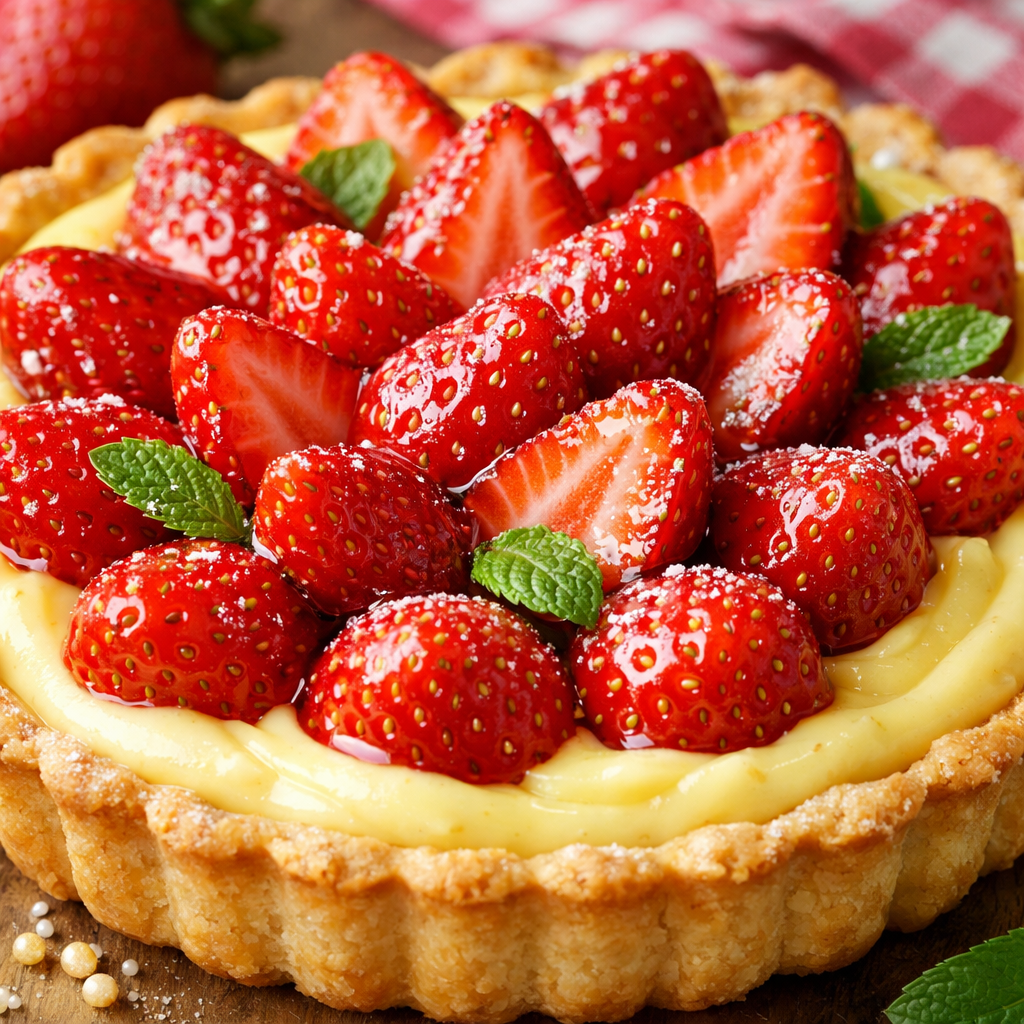
The author reflects on a coveted dessert that is both expensive and in high demand, symbolizing humanity’s desire for quality and goodness. This serves as a metaphor for personal excellence, suggesting that like the dessert, individuals must strive to be desirable and satisfying, contrasting with negative societal examples that detract from this ideal.
-
Single-Pointed Awareness: How Mindfulness Meditation Brings Lasting Happiness

Mindfulness involves achieving single-pointed awareness rather than an empty mind. The practice focuses on being fully present in each moment, free from distractions. Regular meditation strengthens this awareness, improving mental health and fostering happiness. Consistent practice helps train the mind, allowing individuals to concentrate on their current activities for greater fulfillment.
-
Beating Manipulators and Scammers with Mindfulness

Awareness of our emotions can help prevent scams and manipulation. Scammers exploit feelings like fear and excitement to bypass critical thinking. By being mindful of our emotions and separating them from rational thought, we can make better decisions, reducing the risk of falling prey to scams and manipulative individuals.
-
Meeting Difficult News with Clarity and Care

The content emphasizes the importance of managing reactions to difficult news through clarity and emotional detachment. It suggests that opinions are shaped by beliefs and thoughts influenced by feelings. Practising impassiveness can help preserve well-being, with meditation identified as a key tool for cultivating mindfulness and emotional control.
-
Mindful of the Truth: How to Talk to Children About Death

The post explores the concepts of life, death, and reality through a conversation between a caretaker and a dying child. It emphasizes that while death is inevitable, the elements of one’s being are recycled into nature, allowing a form of immortality. Embracing truth in life, even amid suffering, can lead to clarity and understanding.
-
Mindful of the Enemy Within

The author reflects on the nature of enemies, concluding that true enemies lie within ourselves. Childhood adversaries fade as the author recognizes that personal judgments and forgetfulness create inner conflict. Achieving peace requires mindfulness and self-awareness, transforming potential enemies into allies and addressing the war within each individual.
-
What Does Your Front Door Say About Your Boundaries and Mindfulness?

The author reflects on the symbolism of a front door, contrasting physical and emotional barriers. They recount an interaction with a distressed woman, Mrs. Hackaday, and explore themes of mindfulness and awareness. The front door represents emotional protection, allowing the author to decide when to engage with others while maintaining personal boundaries.
-
Discovering the Impartial Observer Within

Meditation reveals the silent observer within us, highlighting that our identity is shaped by beliefs formed through experiences. Our internal dialog reflects these beliefs, prompting self-inquiry about who we really are. Recognizing the malleability of our beliefs allows us to redefine our identity and improve our quality of life by changing our mindset.
-
Finding Refuge in Meditation and Mindfulness

The author shares their journey of using meditation and mindfulness to manage anxiety and emotional turmoil. They emphasize that life’s challenges are essential for growth and that daily practice cultivates calmness and mental fitness. This transformation allows them to make more mindful choices, leading to a positive influence on others around them.